Introduction
Real estate has always been one of the most reliable paths to building long-term wealth. For homeowners, however, the challenge is often finding ways to maximize the value of their property without overextending their budget. One increasingly popular strategy is building an Accessory Dwelling Unit (ADU)—sometimes called an in-law suite, granny flat, or backyard cottage.
In recent years, the demand for affordable housing, flexible living arrangements, and income-producing property features has made ADU investment one of the smartest moves a homeowner can make. Not only do ADUs provide an immediate lifestyle benefit, but they also deliver long-term financial returns that can outpace many other home improvement projects.
So, why are ADUs a good investment? Let’s dive deeper.
What Is an ADU?
An Accessory Dwelling Unit (ADU) is a smaller, secondary housing unit located on the same lot as a primary single-family home. Depending on the property and local zoning laws, an ADU can be:
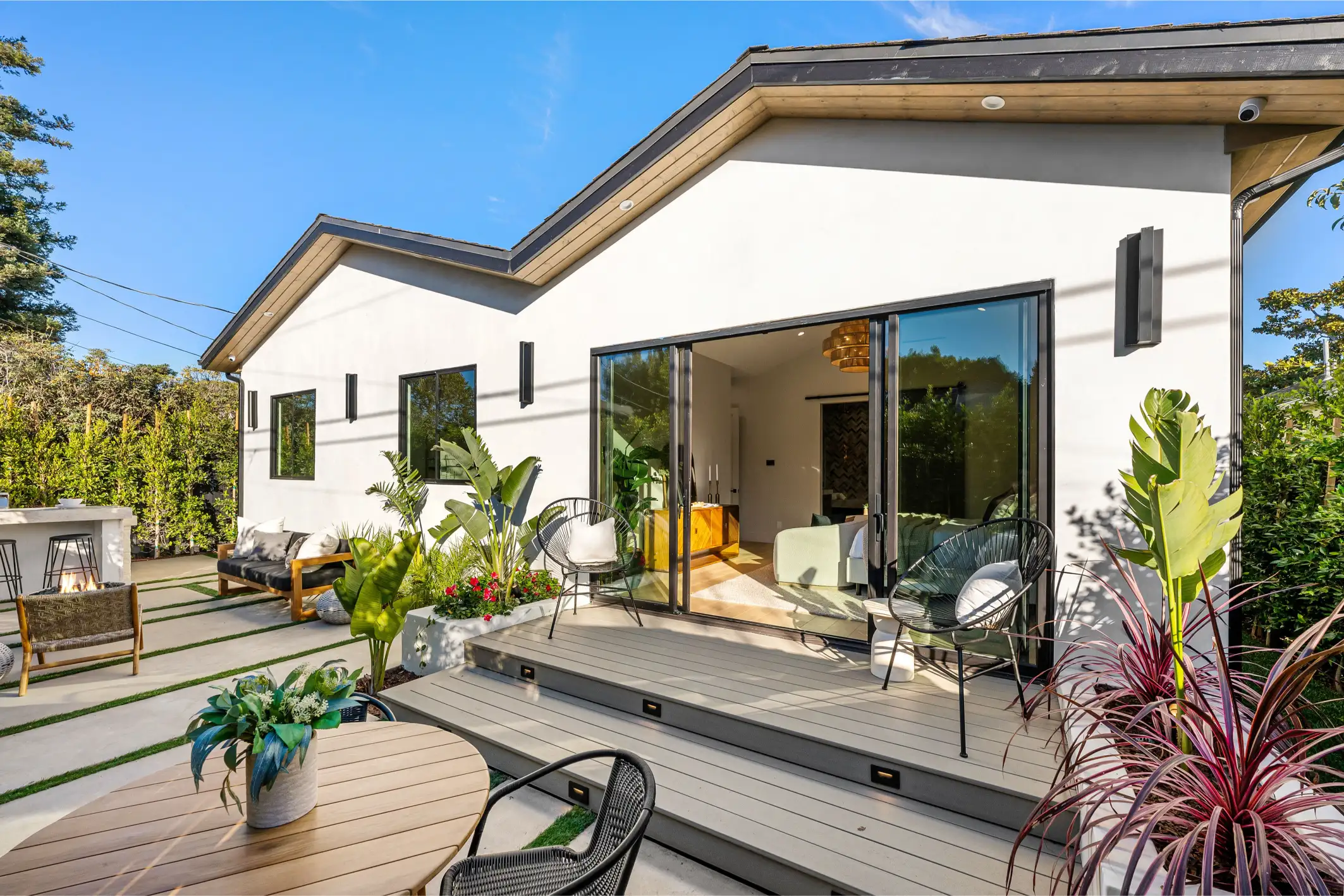
- Detached ADU: A separate structure, often built in the backyard.
- Attached ADU: Built as an addition to the main home but with its own entrance.
- Garage Conversion: An existing garage converted into a livable unit.
- Basement Apartment: A finished basement designed as a standalone suite.
Each type of ADU includes essential living features such as a kitchen, bathroom, and sleeping area, making it a fully independent residence.
The beauty of an ADU is its versatility—it can serve as rental housing, a private guest suite, or a comfortable home for aging parents. This flexibility is a major reason why more homeowners are turning to ADU investments as a way to unlock new opportunities from their property.
Why an ADU Investment Is Worth It
1. ADU Investment Increases Property Value
One of the strongest arguments for an ADU investment is the impact it has on home value. Properties with an ADU are more attractive to buyers because they offer flexibility and potential rental income.
Studies show that homes with accessory dwelling units often sell faster and command higher prices than comparable properties without them. In hot housing markets, buyers are even willing to pay a premium for homes that already have an ADU built in.
Essentially, when you build an ADU, you’re not just expanding square footage—you’re creating a multi-functional asset that future buyers will see as a value-add.
2. ADU Investment for Rental Income
For many homeowners, the biggest draw of an ADU investment is rental income potential. With the housing shortage pushing rents higher, ADUs provide an excellent opportunity to generate steady monthly cash flow.
You could rent the unit to:
- Long-term tenants
- Short-term vacation renters (like Airbnb or VRBO guests)
- Traveling nurses or remote workers
Even a modest monthly rent can make a huge difference. For example, renting out an ADU for $1,200 per month equals $14,400 per year in additional income. Over a decade, that’s well over $100,000 in earnings—often enough to cover construction costs and then some.
This makes ADUs an ideal passive income strategy for homeowners looking to offset mortgage payments or create financial security for retirement.
3. Affordable Housing Through ADU Investment
Across the U.S., affordable housing is in short supply. Many cities and states are encouraging ADU investments by loosening zoning restrictions and even offering grants or low-interest financing options.
By adding an ADU to your property, you’re contributing to the housing solution while also benefiting financially. Renters often appreciate ADUs because they provide a more affordable option compared to traditional apartments, especially in high-demand urban areas.
In this way, ADUs are a win-win: they address a social need while giving homeowners a reliable income source.
4. ADU Investment for Multi-Generational Living
Another reason why ADU investments make sense is their role in supporting multi-generational households. Many families want to keep loved ones close without compromising privacy.
For example:
- Aging parents can live independently in an in-law suite while being nearby for care and support.
- College-aged children can have their own space without the expense of renting elsewhere.
- Extended family or frequent guests can stay comfortably without invading the main home.
This flexibility makes ADUs invaluable for families, particularly as living costs rise and more households consider shared living arrangements.
5. Tax Benefits and Incentives for ADU Investment
Depending on your location, an ADU investment may qualify you for certain tax advantages. For instance, expenses related to building or maintaining a rental unit can sometimes be deducted.
Additionally, many municipalities are incentivizing homeowners to build ADUs through rebates, waived impact fees, or streamlined permitting processes. By taking advantage of these programs, you can reduce the upfront cost of construction and improve your overall return on investment.
6. Flexibility and Future-Proofing With an ADU Investment
Unlike traditional home renovations, ADUs aren’t locked into a single function. The unit can evolve with your needs. For example:
- Rent it out for income today.
- Use it as a home office or creative studio later.
- Convert it into a guest house when family visits.
- Keep it as a retirement option for downsizing in the future.
This adaptability ensures your ADU investment continues to provide value no matter how your lifestyle changes over time.
Key Considerations Before Making an ADU Investment
While ADUs are undoubtedly a good investment, they require careful planning. Here are some key factors to think about:
- Local Zoning Laws—Every city has its own rules regarding the size, placement, and design of ADUs. Research your municipality’s requirements before starting.
- Financing Options – ADU construction can cost anywhere from $50,000 to $200,000, depending on the design. Explore home equity loans, cash-out refinancing, or local ADU financing programs.
- Construction Partner – Work with a contractor experienced in ADU development to avoid costly mistakes and delays.
- Utility Connections—Plan for plumbing, electricity, and HVAC connections, which can add to costs.
- Insurance Coverage—Notify your insurance provider about the new dwelling to ensure proper coverage.
By addressing these factors early, you can make sure your ADU investment is smooth, compliant, and financially rewarding.
Real-Life Example of ADU Investment ROI
Consider a homeowner who spends $120,000 to build a detached ADU in their backyard. They rent it out for $1,500 per month. Within seven years, rental income covers the construction cost entirely. Beyond that point, it’s nearly all profit—while the property itself has likely appreciated significantly thanks to the added unit.
This example illustrates why so many property owners are turning to ADU investments as a long-term wealth-building strategy.
Conclusion: Why an ADU Investment Is Worth It
Building an ADU investment is more than just a trendy renovation—it’s a strategic move that pays off both financially and personally. From boosting property value and generating rental income to offering multi-generational living solutions and flexible use options, accessory dwelling units are one of the smartest real estate investments available today.
If you’re considering ways to make your property work harder for you, an ADU could be the key to unlocking both financial freedom and lifestyle flexibility.